 United States/English



 Baseus Store
 Amazon
 Walmart

When it comes to providing convenience, it’s easy for manufacturers to neglect quality. Trying to stay on trend with the latest designs can affect how much focus is placed on the product's integrity, especially in the electronics industry. Fortunately, at Baseus, we always find a way to prioritize quality, comfort, and style.
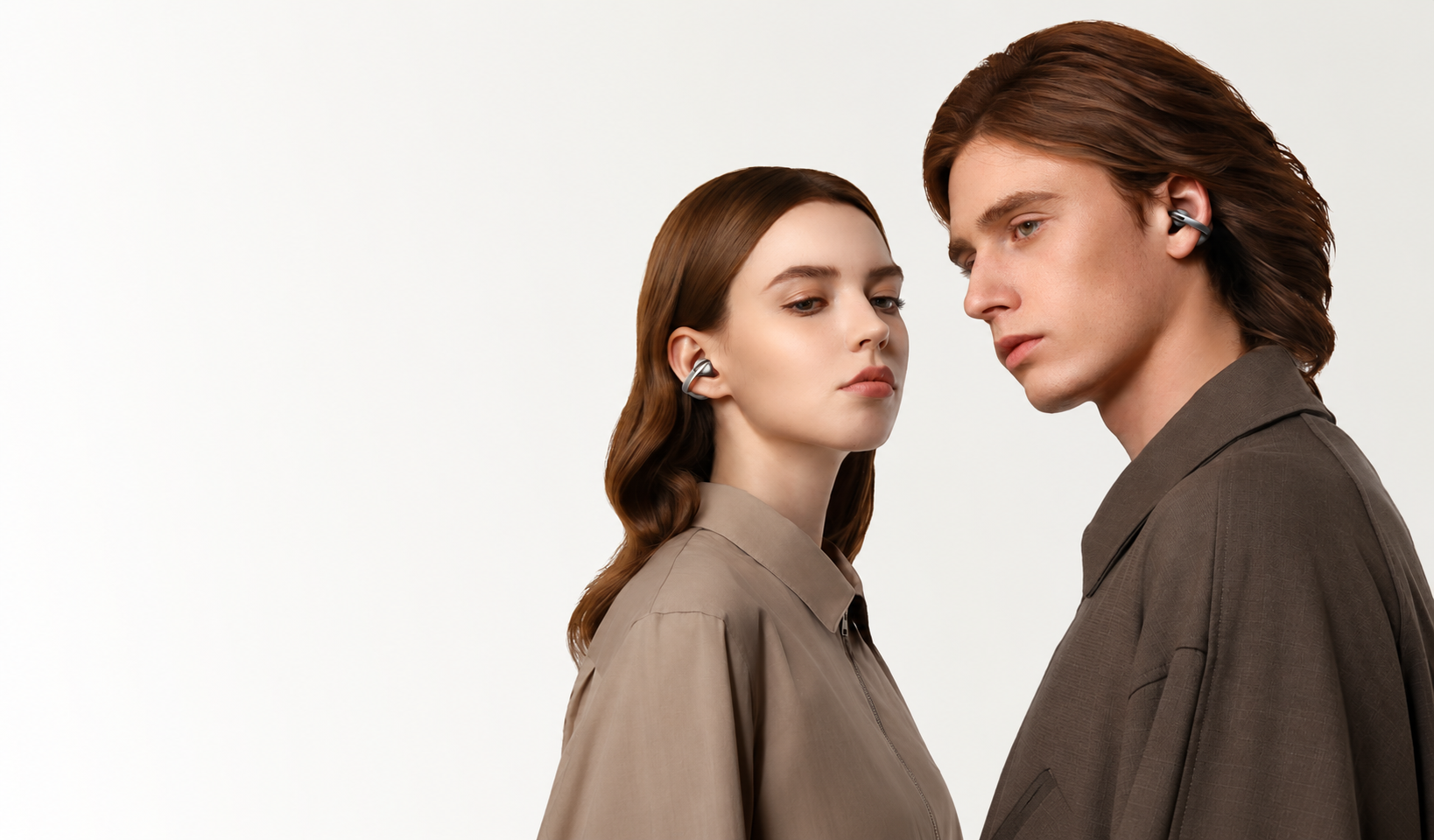
The open-ear earbud design is designed to prioritize stability, adaptability, and comfort while still delivering the premium audio engineering you’d expect. However, choosing the best open-ear earbuds with high-quality audio can be a tricky task without the right information at hand. This is why we’ve drawn up a handy guide to choosing the right open-ear headphones that prioritize sound quality, alongside style and comfort.
While the open-ear headphone design quickly became popular for its innovative structure and spatial awareness, people may still misjudge their audio integrity because they don’t sit within the ear canal like traditional earbuds. So, you might pose the obvious question: Can open-ear headphones deliver high-quality sound? And you’d be met with a resounding “yes” due to advanced sound engineering, acoustic designs, and directional audio technology. But let’s get back to why people might assume the opposite at all.
Why Do People Worry About Open Ear Audio Quality?
Generally, earbud designs have always positioned sealed-off audio as the pinnacle of premium audio, touting a physical barrier between your ears and the outside world as the reason for quality sound. The open-ear headphone structure went against that design choice, sitting outside the ear instead.
The open-ear headphone is designed to leave the ear canal open, allowing you to be aware of your surroundings while you listen to your chosen audio. However, this distinction also makes many people incorrectly assume that:
- Sound output would be weaker.
- Bass might disappear.
- Audio would leak out and be heard.
- Environmental noise will overpower your audio.
Now, while these assumptions may have been true for the first generation of open-ear headphone designs, it’s important to realize that modern open-ear earbuds are primed with directional sound, precision drivers, acoustic tuning, and anti-leak sound engineering. Today, open-ear earbuds effortlessly provide balanced and quality audio. To get a better understanding, let’s see how the open-ear design differs from the traditional earbud.
Open-Ear Headphones vs Traditional Earbuds: How Do They Work?
A key element in choosing the best open-ear headphones for sound quality is to understand how they produce audio when compared to traditional earbuds. This explains how open-ear headphones overcome assumed obstacles to ensure quality sound performance.
Now, as sound waves travel through the air, their vibrations against our eardrums are what allow us to interpret different sounds. When using open-ear headphones, either bone or air conduction technology is used to ensure audio without being directly inside the ear canal. These methods differ according to how and where sound is delivered to the ear.
Bone conduction pushes vibrations straight to the bones of the middle ear, then to the cochlea of the inner ear. On the other hand, air conduction headphones use purely sound waves to direct audio, working similarly to the way our ears hear naturally and how traditional headphones work.
Open-ear earbuds have the unique ability to adapt to your lifestyle more easily, allowing you to hear sounds, conversations, and alerts around you at the same time. In a dynamic world, that’s an invaluable asset for your routine, which is probably why so many people are moving to open-ear earbuds in 2026.
When it comes to traditional earbuds, the sealed-off and direct insertion can lead to ear pain and fatigue very quickly, making it difficult to have longer listening sessions. The open-ear headphone design is also intentionally lightweight, allowing them to clip onto your ear with ease.
Modern open-ear headphones feature directional sound technologies, precision acoustic chambers, larger dynamic drivers, and audio enhancements that make your worries about open-ear sound leakage and audio loss a thing of the past. To simplify the comparison, we’ve drawn up a little table to show you exactly how traditional and open-ear headphones differ.
| Feature | Traditional Earbuds | Open-Ear Headphones |
|---|---|---|
| Sound Delivery | Directly in-ear | Outside the ear canal |
| Frequency Response Range | Around 20Hz - 20kHz | Around 20Hz - 20kHz |
| Bass | Strong and deep | Enhanced by dynamic drivers and bass-boosting tech |
| Driver Size Average | 6–12 mm | 16–20 mm |
| Instrument Separation | Good | Excellent due to the open design |
| Soundstage | Closer, more intimate (180° - 220° perceived audio field) | Wider, like listening to a speaker (270° - 360° perceived audio field) |
| Noise Isolation | Good when using Active Noise Cancellation | Superior at keeping the user aware of sounds in their surroundings |
| Audio Integrity | Immersive and enclosed sound | More natural and open sound |
| Listening Comfort | 2 - 4 hours before noticeable ear fatigue | 6 - 10+ hours comfortably |
| Ambient Awareness | 0 - 20% of surrounding sounds | 70 – 100% of surrounding sounds |
| Pressure on the Ear Canal | 100% | 0% |
| Best for | Immersive listening | Active lifestyles, outdoors, and day-to-day listening |
Now that we have a firmer grasp of how traditional and open-ear headphones differ, let’s try to understand what factors might be influencing the sound quality when you use open-ear earbuds.
What Affects Open-Ear Headphone Sound Quality?
All open-ear earbuds are not built the same way, and to find clip-on, open-ear earbuds with premium audio, you also have to know which factors may influence your sound quality output. These are some of the things that might have an impact on your open-ear headphone audio:
- The Audio Technology Used: All headphones are only as good as their internal components and fittings allow them to be. Using smaller or low-quality drivers can result in poorer sound output. A larger, more dynamic driver ensures deeper bass, clearer vocals, and a wider soundstage.
- Incorrect Fitting: Open-ear headphones are designed to sit outside the ear for a comfortable and adaptable listening experience. However, the incorrect position, fit, and alignment can lead to audio being leaked or lost.
- Connectivity: Wireless headphones rely on Bluetooth to keep you connected to your audio. Poor Bluetooth stability or a poor connection can drastically lower the quality of your sound output. Always ensure a steady connection with your headphones.
- Environmental Noise: While open-ear headphones are meant to keep you aware of your surroundings, an excess of noise in the background can affect your sound quality. While moderately noisy outdoor areas are manageable, extreme noise can reduce audio details.
- Volume Control: Pushing up the volume on your open-ear headphones might seem like a good way to avoid any audio quality issues, but excessive volume can distort sound even further. Consistently loud volumes can also lead to hearing loss or personal injury.
- Cleaning and Maintenance: Keeping your open-ear headphones properly clean, storing them correctly, and recharging them on time also helps to avoid any structural damage, which would affect sound quality over time.
How To Choose The Best Open-Ear Headphones
Finding the right open-ear headphones depends largely on your lifestyle and listening habits. While you may have many options to choose from, it’s ultimately a decision based on your unique needs.
Outdoor and Fitness: If working out, sports, and hiking through the wilderness sound like your average weekend, you should be looking for open-ear headphones that prioritize secure grip, sweat-resistance, and a lightweight frame. The open-ear design is popular in this area because it allows you to stay aware of people around you, traffic, and other activity in your surroundings.
For the more active Baseus fans, the feather-light 8.8g Baseus Eli 2i Fit Open Ear True Wireless Earbuds offer comfortable stability, a 36-hour battery life, and IPX5 water and sweat resistance. With 14.2mm dynamic drivers and BassUp technology, you can also be sure that every workout enjoys fuller and clearer sound. A 1.5mm U-shaped directional speaker also ensures that sound is delivered directly into your ear with minimum leakage, while a solid Bluetooth 6.0 keeps your sound connected no matter where your run takes you.

In the Office: For those of you who need your open-ear headphones for calls, meetings, or simply to stay focused on tasks in the workplace, you should seek out earbuds that focus on extended battery, comfort, and call clarity. Open-ear earbuds keep you connected while maintaining a perfectly balanced workflow.
From Baseus, you might want to look into the Baseus Bowie MC1 Pro Open-Ear TWS Earbuds, which combine 5g lightweight comfort with CurveFit cushions and a flexible U-ring for effortless all-day wear.

SuperBass 2.0 dynamic algorithms and a Hi-Fi 4 acoustic architecture work together to ensure richer audio details, while DDN-powered AI and a 4D, 4-mic system isolate your voice for clearer calls and background noise filtering.
Your Day-to-Day Errands: Whether you’re simply moving through the city, navigating a daily commute, or working away in the garden, a good open-ear headphone option for your daily activities would focus on longevity, reliability, comfort, and clear audio.

For overall sound elevation, the Baseus Bowie MC2 Open-Ear True Wireless Earbuds offer superior comfort and stability using CloudComfort 2.0 wrap-around air cushions, four-point support to stay in place, and an adaptive C-ring grip with memory titanium alloy for lasting flexibility. With SuperBass 3.0 and directional sound engineering, these Grammy-winner-approved earbuds allow you to listen to richer, clearer, and more defined audio without the risk of sound leakage.
At Baseus, we believe that you should never have to choose between spatial awareness and great sound. This is we stock a range of open-ear headphones that work for your needs, no matter how versatile they might be.
Conclusion
So, can open-ear headphones sound good? Absolutely. With amplified audio, enhanced drivers, directional sound technology, and much more, we’ve managed to easily calm any sound quality concerns due to the open-ear headphone design. Modern open-ear headphones have adapted to changing lifestyles and needs without losing sight of quality sound engineering, and Baseus is honored to be a leading brand on that journey of success.
FAQ
Q1: Do open-ear headphones sound as good as traditional earbuds?
Most modern open-ear headphones provide excellent sound quality suited to your dynamic lifestyle. While traditional earbuds may have improved sound isolation features, open-ear headphones offer a unique balance of awareness and audio integrity.
Q2: Are open-ear headphones good for running?
Yes, open-ear headphones are ideal for running and any other outdoor activity because they allow users to hear traffic, conversations, and other environmental sounds while listening to their music.
Q3: Do open-ear earbuds leak sound?
Some sound leakage is natural, but advanced directional audio technology helps to drastically reduce any sound leakage from your open-ear headphones.
Q4: Can open-ear headphones replace traditional wireless earbuds?
For many users, yes. If situational awareness and long-term comfort are priorities, the open-ear headphone design can be an excellent alternative to traditional wireless earbuds.
Q5: Why choose Baseus open-ear headphones?
At Baseus, we look beyond just specs to understand the basic needs of our users. For our open-ear headphone range, we combine directional sound technology, premium acoustic tuning, and reliable Bluetooth connectivity with ergonomic comfort and a long battery life to create an exceptional open-ear listening experience that keeps you safe in your surroundings while providing superior sound quality.