 United States/English



 Baseus Store
 Amazon
 Walmart

A few years ago, the process of buying earphones was fairly simple. You picked a pair, maybe in your favorite color, connected them using Bluetooth, and then used them for almost everything.
Now, with the vast amount of innovations and new technology, the options for wireless earbuds have increased greatly. Open-ear earbuds have challenged the idea that one listening style will fit every situation. Even though traditional wireless earbuds are a popular option for immersive audio and noise cancellation, open-ear earbuds have introduced us to a new way of listening that focuses on comfort and awareness. Choosing between in-ear earbuds and open-ear earbuds can be confusing, but it all comes down to how you spend your day.
What Are In-Ear Earbuds?
In-ear earbuds are earbuds that sit inside your ear canal and fit closely in your ear. This design helps keep sound inside your ears and reduces the amount of outside noise reaching you. This seal allows in-ear earbuds to provide greater bass and a richer listening experience.
They are also the most popular type of earbuds used with Active Noise Cancellation (ANC). When combined with the natural seal of the earbuds, ANC can significantly reduce background sounds like traffic, conversations, or airplane noise. This is one of many reasons why many people think in-ear models are among the best wireless earbuds for travel, work, and daily listening. In-ear earbuds are often a good choice if you love to get lost in your music or want to concentrate on a podcast without distraction in your ears.
What Are Open-Ear Earbuds?
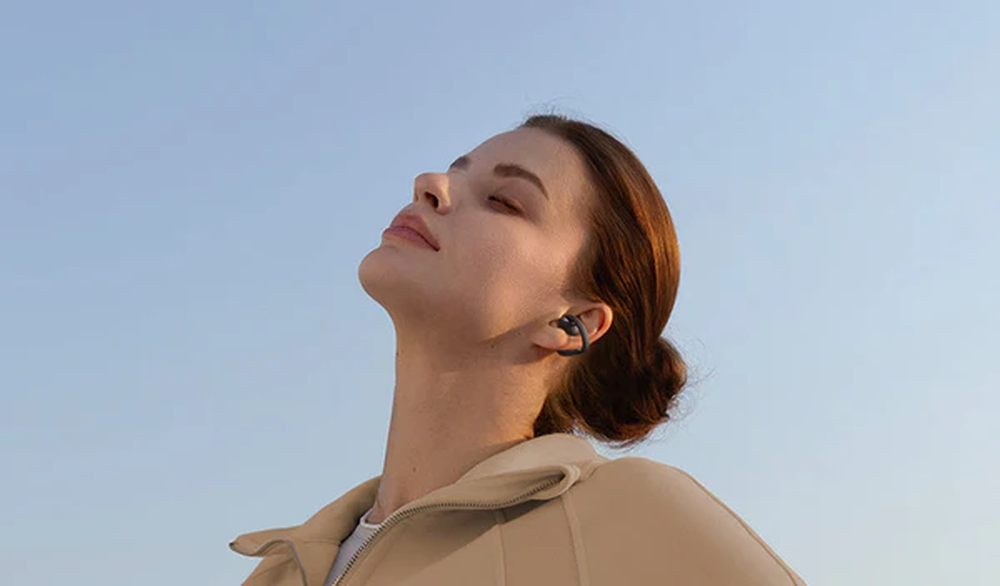
Unlike in-ear earbuds, open-ear earbuds sit just outside your ears. This keeps your ears open so you can still hear what’s going on around you while listening to music or other audio. The biggest advantage to open-ear earbuds is awareness. When you wear open-ear earbuds, you can still hear traffic, public announcements, conversations and other important sounds around you. These can be useful for activities where you want to be aware of your surroundings, like at an airport or at work.
Many people also find open-ear earbuds more comfortable since nothing is inserted into the ear canal. An open-ear design can feel more comfortable if you’ve ever suffered from ear fatigue or discomfort after a few hours of wearing earbuds.
Open-Ear Earbuds and Bone Conduction Technology
Some open-ear earbuds use bone conduction technology, but not all of them do. Bone conduction headphones send vibrations through the bones near the ears, which allow you to hear sound without completely blocking the ears. Open-ear earbuds have speakers near the ears. Both designs leave the ear canal open so you can hear music and stay aware of your surroundings. This makes either one a popular choice for outdoor activities like running, walking, cycling, and other pursuits where awareness is key. However, many open-ear earbuds are designed to provide a richer sound and more bass than standard bone conduction headphones.
Differences in Sound Quality and Bass Performance
One major difference between these two styles of earbuds is how they emit sound. In-ear earbuds usually have better sound quality because they seal off the ear canal. It keeps audio contained and enables the earbuds to deliver deeper bass and richer sound. If you enjoy listening to music with bass or want to be more immersed when watching movies, in-ear earbuds usually have the upper hand.
Open-ear earbuds are created for a different style of listening. They keep the ear canal open so some of the sounds in your environment will naturally mix with your audio. Modern open-ear headphones have come a long way in recent years; however, they’re not designed for a great bass experience but rather for comfort and situational awareness. That’s not to say open-ear earbuds sound bad, as many deliver impressive audio quality for casual listening, podcasts, calls, and workouts. The difference is that they provide a more natural listening experience.
ANC and Noise Cancellation
If you’ve been looking into wireless earbuds, you’ve likely seen terms like "ANC," "noise cancellation," and "noise cancelling." They are all features intended to reduce unwanted background noise, although they are often used together. Active Noise Cancellation uses microphones and software to pick up outside noises and cancel them out before they reach your ears. This technology can be very useful if you travel, work in a busy office, study in a café or use public transport.
ANC works best with in-ear earbuds, as they already create a seal inside the ear canal. That’s when ANC, together with this physical barrier, can make a huge difference to eliminate distractions to help you focus on your music or calls.
Open-ear earbuds are meant to do something else. They don't block out the sounds from outside; they bring them in. This makes traditional noise canceling less important, as the point of open-ear earbuds is to keep you connected to the world around you while still letting you enjoy your audio.
Comfort During Everyday Use
While some people prefer in-ear earbuds and find them comfortable enough for their everyday activities, others experience something called “ear fatigue." This is when wearing something inside the ears for long periods of time can feel uncomfortable or painful. Open-ear earbuds solve this problem by keeping the ear canal wide open. Many people find them more comfortable for long listening sessions because there is no pressure on the ear. If you wear earbuds all day at work, listen to podcasts for hours, or make a lot of calls, open-ear earbuds can be quite useful. That said, comfort is a personal thing. It may take some trial and error before figuring out which type of earbud feels comfortable enough for you.
Choosing Earbuds for Running and Exercise
Open-ear earbuds are popular with runners, walkers, and cyclists. Listening for vehicles, other people, or warning signals approaching can help you be more aware of your surroundings when doing things outside. Open-ear earbuds are also more comfortable for longer workouts for many people because they don’t put pressure in the ear canal.
However, in-ear earbuds are a preferred option for gym and indoor workouts. They can help create a more focused workout with their deeper bass and enhanced sound, which means they’re a great choice for people who want to block out distractions and stay motivated during training.
Which Earbud Style Fits Your Routine?
If you spend lots of time commuting, traveling, studying, or working in busy environments, in-ear earbuds are often the better option. The stronger bass, better sound isolation, and ANC can help create a more focused listening experience.
If you’re spending a lot of time outside, navigating busy environments, or just like to stay aware of your surroundings, open-ear earbuds may be a better choice. They allow you to enjoy your audio and at the same time be aware of what's going on around you. People who use earbuds for long periods of time might also enjoy the comfort of open-ear designs, and music lovers who care about sound quality often prefer traditional in-ear earbuds.
Here's a quick comparison of in-ear and open-ear earbuds and their key features:
| Feature | In-Ear Earbuds | Open-Ear Earbuds |
|---|---|---|
| Fit | Sit inside the ear canal | Rest outside the ear canal |
| Sound Quality | Rich and immersive | Clear and natural |
| Bass Performance | Stronger bass | Lighter bass |
| ANC | Commonly available | Limited |
| Noise Cancellation | Better at reducing outside noise | Designed to let outside sounds in |
| Environmental Awareness | Lower | Higher |
| Comfort | Depends on personal preference | Often more comfortable for extended use |
| Running and Outdoor Activities | Good | Excellent |
| Travel and Commuting | Excellent | Good |
| Office and Study Use | Excellent | Good |
| Situational Awareness | Limited | Excellent |
| Best For | Focused listening, travel, work, and entertainment | Outdoor activities, all-day comfort, and awareness |
Our Recommendations
For Music and Focus: Baseus Inspire XP1

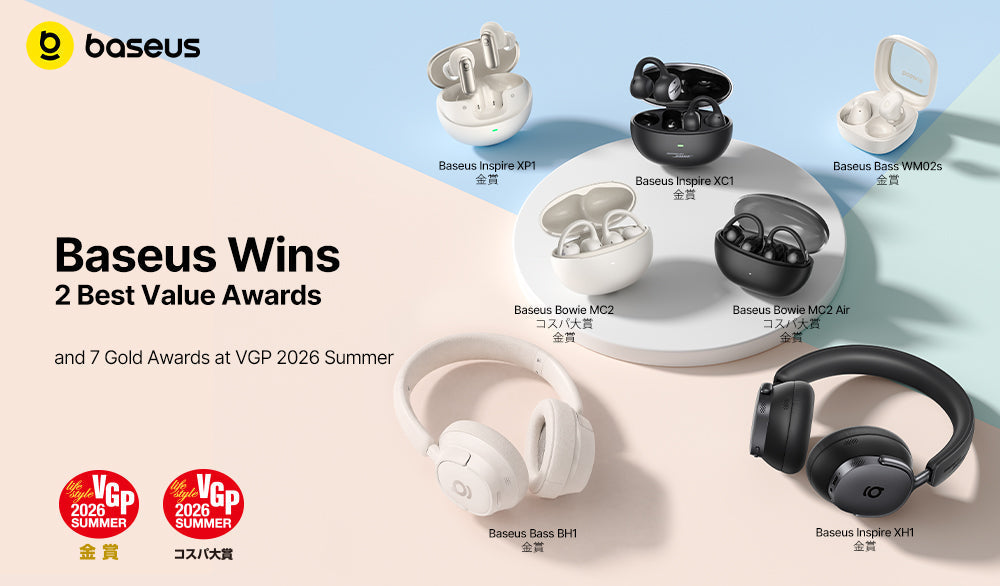
If you want clear sound and less distractions, the Baseus Inspire XP1 is a good pick. Its contoured ergonomic design creates a more secure seal than traditional rounded earbuds, helping to block out more noise while providing a comfortable fit. Combined with Sound by Bose technology, Dolby Audio, and Premium Adaptive ANC, it keeps you focused on your music, videos, podcasts, and calls. Plus with long battery life and all-day comfort, it's a practical choice for work, travel, and daily listening.
For Everyday Use: Baseus Bowie MC2

The Baseus Bowie MC2 is a good option for those who want to listen to their sound and the environment around them. The open-ear design allows you to listen to music, podcasts, and calls while still hearing the sounds around you. It’s a practical choice for walking, commuting, working from home, and casual tasks.
For Outdoor Activities: Baseus Inspire XC1

The Baseus Inspire XC1 is for active lifestyles. The open-ear design keeps you aware of traffic, cyclists, and other sounds around you while you listen to music or podcasts. If you like running, walking, or working out outside, it’s the best way to keep yourself entertained without completely shutting out the world around you.
Finding the Right Fit for Your Routine
In-ear and open-ear earbuds both have their own advantages. If you want stronger bass, rich sound, and better noise isolation, then earbuds that sit inside the ear are a good option. If you want to listen but also be aware of your surroundings and you care about comfort, open-ear earbuds are the perfect choice. If you spend a lot of time commuting, traveling, or working in busy environments, in-ear earbuds might be better for you. If you like to run, walk, or be outdoors, open-ear earbuds may be the more practical choice.
Understanding the difference between these two models will help in finding a pair that easily blends into your routine, improving the pleasure of each listening session.
FAQ
Q1: Which is more comfortable, open-ear earbuds or in-ear earbuds?
Comfort is personal, but open-ear earbuds can feel a little better than in-ear earbuds when worn for longer periods of time.
Q2: Are in-ear earbuds bad for your ears?
Not necessarily. In-ear earbuds are safe if you use them responsibly and don’t listen at extremely high volumes.
Q3: Do open-ear earbuds leak sound?
At higher volumes some sound can be heard by people nearby (as with most audio devices). How much sound leaks depends on the design of the earbuds and how loud you’re listening to them.
Q4: Why do some people prefer open-ear earbuds?
Many people like to be able to listen to audio and not feel totally cut off from the environment around them. Some people prefer the comfort of open ear designs because nothing is in the ear canal.